
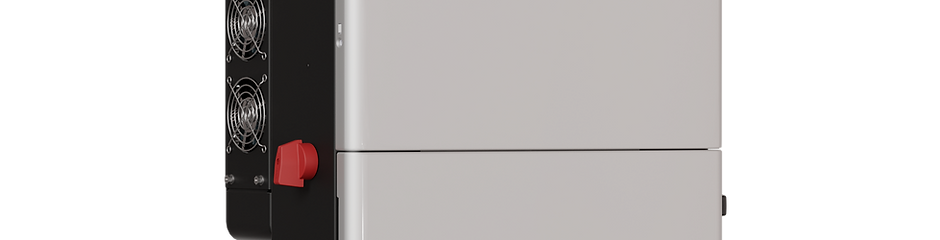
How to adjust the battery charge/discharge current limit in rx-12k post initialization?
After the rx-12k inverter is initialized, I can't find any entry point to adjust the battery charge/discharge current limit in the elekeeper app. I've gone through every possible corner in the app, including the plant, bluetooth and cloud settings, but there is nowhere in the program that gives the access to the current limit setting as during the inverter initialization. This is unacceptable because the user are expected to add or swap batteries during the lifetime of the inverter. Please give all the details re how to adjust the battery setting
278 Views
I have access to the battery setting after contacting Ruixu tech support to grant the access